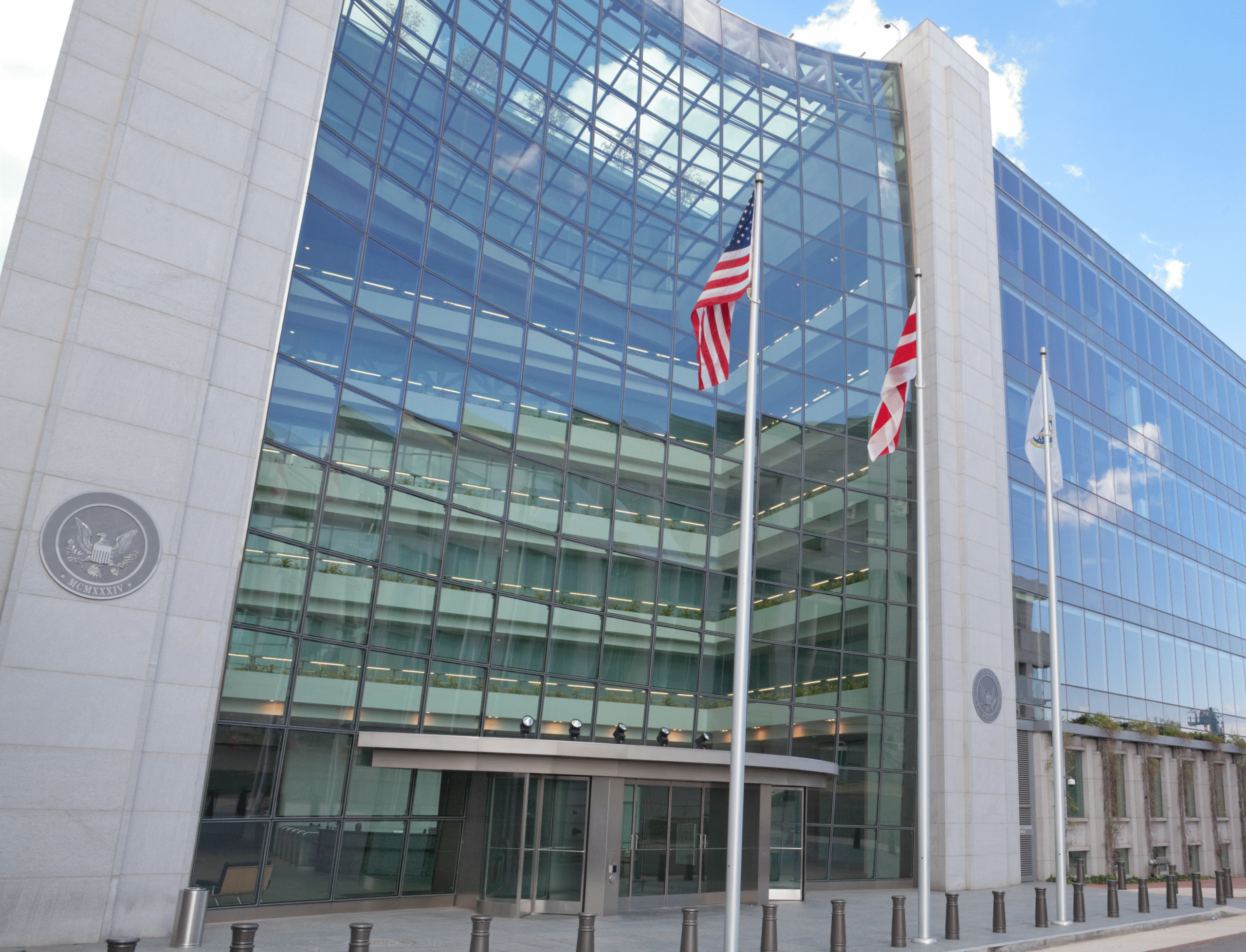
Since 1934, the United States Department of Justice (DOJ) Tax Division has been responsible for handling both DOJ’s civil and criminal tax enforcement. The Tax Division works with the IRS to oversee criminal investigations and the prosecution of tax crimes (supervising and coordinating with local United States Attorneys) and engage in civil enforcement activities including
Recent Federal and State Actions Put Real Estate in the Enforcement Spotlight
My colleague Sydney Sznajder and I recently posted an article on the Husch Blackwell website outlining how federal prosecutors are turning their attention to cases that further the administration’s regulatory priorities. Part of this focus falls upon commercial real estate, where there is increasing scrutiny of foreign investment in real estate, as well as international…
DOJ’s Revised Corporate Enforcement Policy in Action
On May 12, 2025, the Department of Justice (DOJ) announced revisions to its Corporate Enforcement and Voluntary Self-Disclosure Policy (CEP). As stated by Matthew Galeotti, head of the DOJ’s Criminal Division, the purpose of the revised CEP is to incentivize companies to “come forward, come clean, reform, and cooperate with the government in efficient investigations…
Government Enforcement, Compliance & Investigations Webinar Series: False Claims Act Enforcement Trends
On October 16, 2025, Jonathan Porter and I presented the second webinar in our Government Enforcement, Compliance & Investigations series—our topic: the False Claims Act (FCA). To provide background, we explained the framework of the FCA, how investigations are triggered, and notable recent FCA decisions. Then, for the second half of the hour, we discussed…
CFTC Check-In: Regulatory and Enforcement Update
Within the Government Enforcement, Compliance & Investigations Report, we plan to bring you periodic updates from the Commodity Futures Trading Commission (CFTC). In this first one, we are excited to announce a new addition to our team (and co-author of this post)—Jeff Le Riche. Jeff joins us after 20 years with the CFTC. We are thrilled to have him on board.
Now on to our updates from the CFTC.
Right to Repair: Legal Landscape and Enforcement
“Right to repair” laws have recently gained momentum across the United States, becoming a legislative and regulatory priority. Evolving state laws, federal action, and high-profile lawsuits are shaking up the legal landscape in this area for manufacturers, businesses, and consumers.
At its core, the right to repair gives consumers and independent businesses access to the…
DOJ’s Continued Focus on Healthcare Fraud and FCA Enforcement: What 2025 Means for Providers and Compliance Professionals
The Department of Justice (DOJ) has made it abundantly clear: healthcare fraud remains at the top of its enforcement priorities for 2025 and beyond. In a May 2025 memorandum, Acting Assistant Attorney General Matthew R. Galeotti outlined the Criminal Division’s renewed commitment to “focus, fairness, and efficiency” in the fight against white-collar crime—with healthcare…
Antitrust Risks for Environmental, Social, and Governance Joint Ventures
A recent decision in the Eastern District of Texas highlighted the risks for environmental, social, and governance (ESG) initiatives involving market competitors. The decision, when paired with recent enforcement efforts from Republican state attorneys general (AGs), is the latest indicator of the increased scrutiny faced by ESG joint ventures.
Background
Over the past decade, as…
How the FCA Has Expanded into Anti-Discrimination Enforcement
Episode 32 of the False Claims Act Insights has posted. In it, Julia Kopcienski and I discuss a recent report published by Husch Blackwell that explores the Trump administration’s demonstrated commitment to enforcing federal anti-discrimination laws through novel and varied mechanisms, like the False Claims Act. We talk about why the use of the FCA…
Be Careful What You Search For
As two defendants in an alleged cryptocurrency fraud case are finding out, what you search for on the internet could find its way into the courtroom and be used against you. The use of internet search history as evidence in federal criminal cases is relatively new. In this case, prosecutors are seeking to introduce defendants’ post-trade internet searches as evidence of fraudulent intent. Their searches allegedly ranged from “top crypto law firms” and “wire fraud statute” to “can your device be searched without a lawyer” and “crypto theft deductible.”
The critical question: should internet search history be admissible as evidence at trial? The answer is far from simple. Defendants generally have moved to exclude them, and the arguments for and against exclusion highlight the complex interplay between relevance, prejudice, ambiguity, and privilege.