
On September 30, 2026, the University of Missouri-Kansas City School of Law hosted the inaugural Heartland Government Enforcement & Investigations Conference. The day-long program brought together federal prosecutors, judges, state regulators, in-house counsel, and private practitioners across seven substantive sessions spanning DOJ enforcement priorities, federal sentencing and discovery practice, healthcare fraud, legal ethics and artificial intelligence, state antitrust enforcement, internal investigations, and securities and commodities regulation. Below is a summary of each session.

Construction Sector Compliance and Reporting Certifications: Evolving False Claims Act Liability

Construction companies working on projects that involve federal funds are typically aware that they can be at risk of False Claims Act (FCA) suits for inaccurate billing or false statements about construction quality. The Department of Justice (DOJ) has broadened its FCA focus beyond those areas by targeting the compliance certifications and regulatory statements companies make in connection with government contracts, grants, loans, and other federally funded programs. Whistleblowers filing FCA qui tam suits on behalf of the government are also increasingly identifying these areas of liability.
Fall 2026 White Collar Review: Six DOJ Enforcement Trends to Watch

As we move into the last months of 2026, the contours of white-collar enforcement differ in some notable ways from those that defined 2025. The Department of Justice (DOJ) has undergone structural shifts and reorganizations, new task forces have reached early milestones, and enforcement tools that had seen less use have reemerged. Below are six developments worth watching.
Nebraska, Texas, and Other States Enact Foreign Influence Laws That Could Impact Businesses and Other Organizations
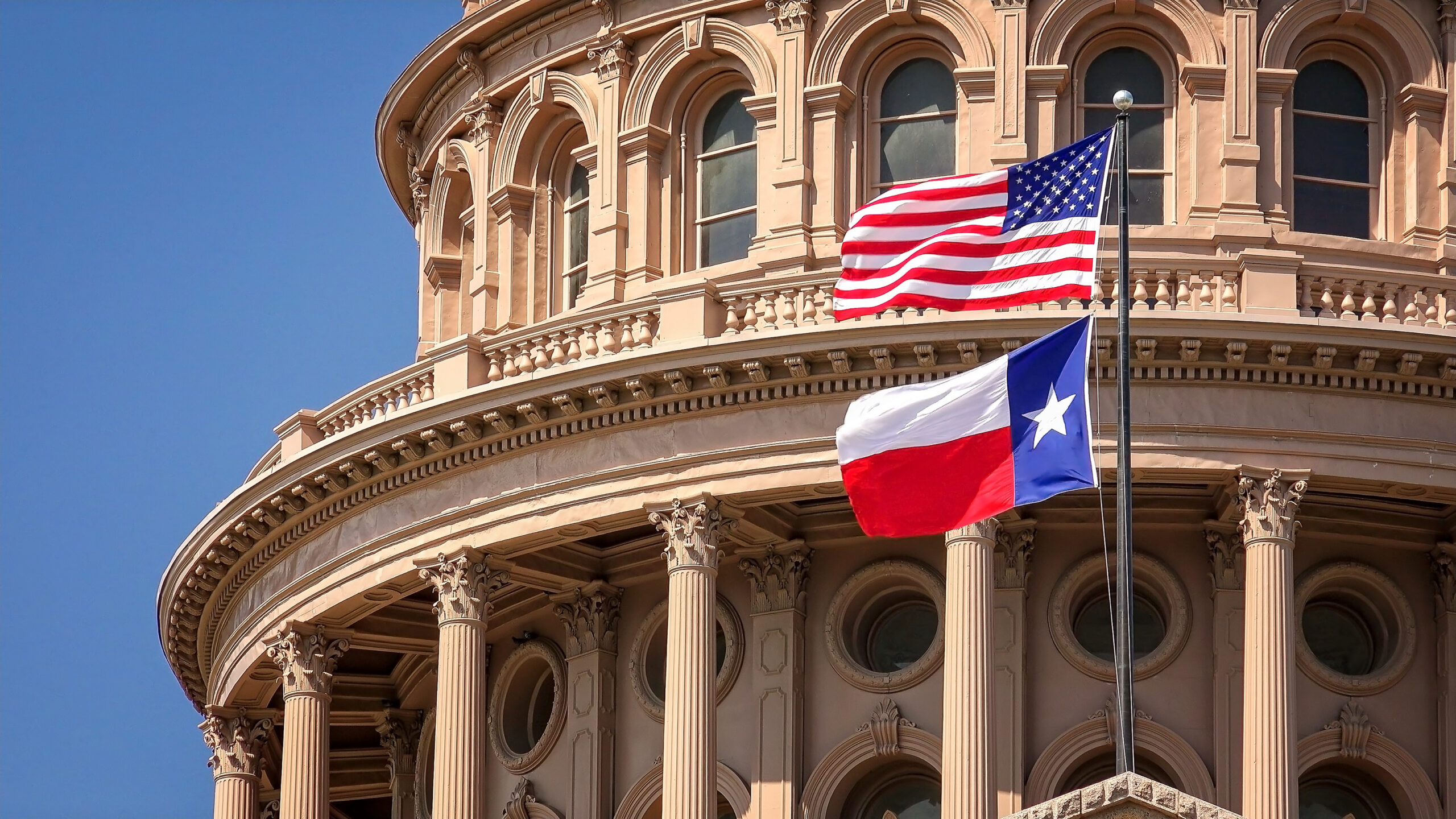
In the last year, Nebraska, Texas, and other states have passed foreign influence laws requiring disclosure of lobbying and other advocacy activities on behalf of foreign actors. Although these so-called “baby FARA” laws are modeled after their federal counterpart, the Foreign Agents Registration Act (FARA), they often lack the exemptions on which businesses and other entities have long relied, and they differ in other important respects as well. These state laws are broad enough to potentially capture transactions with foreign-owned subsidiaries operating in the U.S. that would not otherwise be subject to FARA.
DOJ Issues Department-Wide Corporate Self-Disclosure Policy
On March 10, 2026, the Department of Justice (DOJ) issued a new Corporate Enforcement and Voluntary Self-Disclosure Policy (“CEP”), which now governs all corporate criminal matters handled by DOJ except for antitrust violations. This new policy creates a single set of standards for voluntary self-disclosure, cooperation, and remediation across the Department.
DOJ’s 2025 Enforcement Landscape: What Companies Need to Know
This year, the Department of Justice (DOJ) increased its focus on white-collar crime enforcement in some areas, prioritized new areas, and shifted resources away from others. Many of these changes are reflected in Acting Assistant Attorney General Matthew R. Galeotti’s May 12, 2025, memorandum to the DOJ’s Criminal Division (Galeotti Memo), which highlighted 10 high-impact areas of white-collar crime for enforcement:[1]
Husch Blackwell Launches Congressional Investigations Practice
Husch Blackwell has formally launched its Congressional Investigations practice to assist clients across industries with all types of congressional inquiries. Our bipartisan team includes seasoned trial lawyers with specific experience in congressional investigations, former senior staff from executive branch agencies well-versed in responding to congressional inquiries, and former senior staffers from congressional committees involved in
Recent Federal and State Actions Put Real Estate in the Enforcement Spotlight
My colleague Sydney Sznajder and I recently posted an article on the Husch Blackwell website outlining how federal prosecutors are turning their attention to cases that further the administration’s regulatory priorities. Part of this focus falls upon commercial real estate, where there is increasing scrutiny of foreign investment in real estate, as well as international
Right to Repair: Legal Landscape and Enforcement
“Right to repair” laws have recently gained momentum across the United States, becoming a legislative and regulatory priority. Evolving state laws, federal action, and high-profile lawsuits are shaking up the legal landscape in this area for manufacturers, businesses, and consumers.
At its core, the right to repair gives consumers and independent businesses access to the
DOJ and DHS Announce New Task Force to Counter Tariff Evasion

On August 29, 2025, the Department of Justice (DOJ) launched a new Trade Fraud Task Force, which will leverage resources from DOJ’s Civil and Criminal Divisions as well as the Department of Homeland Security (DHS) to enforce tariff and duties evasion, smuggling, and other import violations. The initiative furthers the Trump Administration’s “America First Trade Policy” announced on Inauguration Day and in Executive Order 14243, which promotes information-sharing between agencies to support the administration’s overall goals of combating waste, fraud, and abuse.