

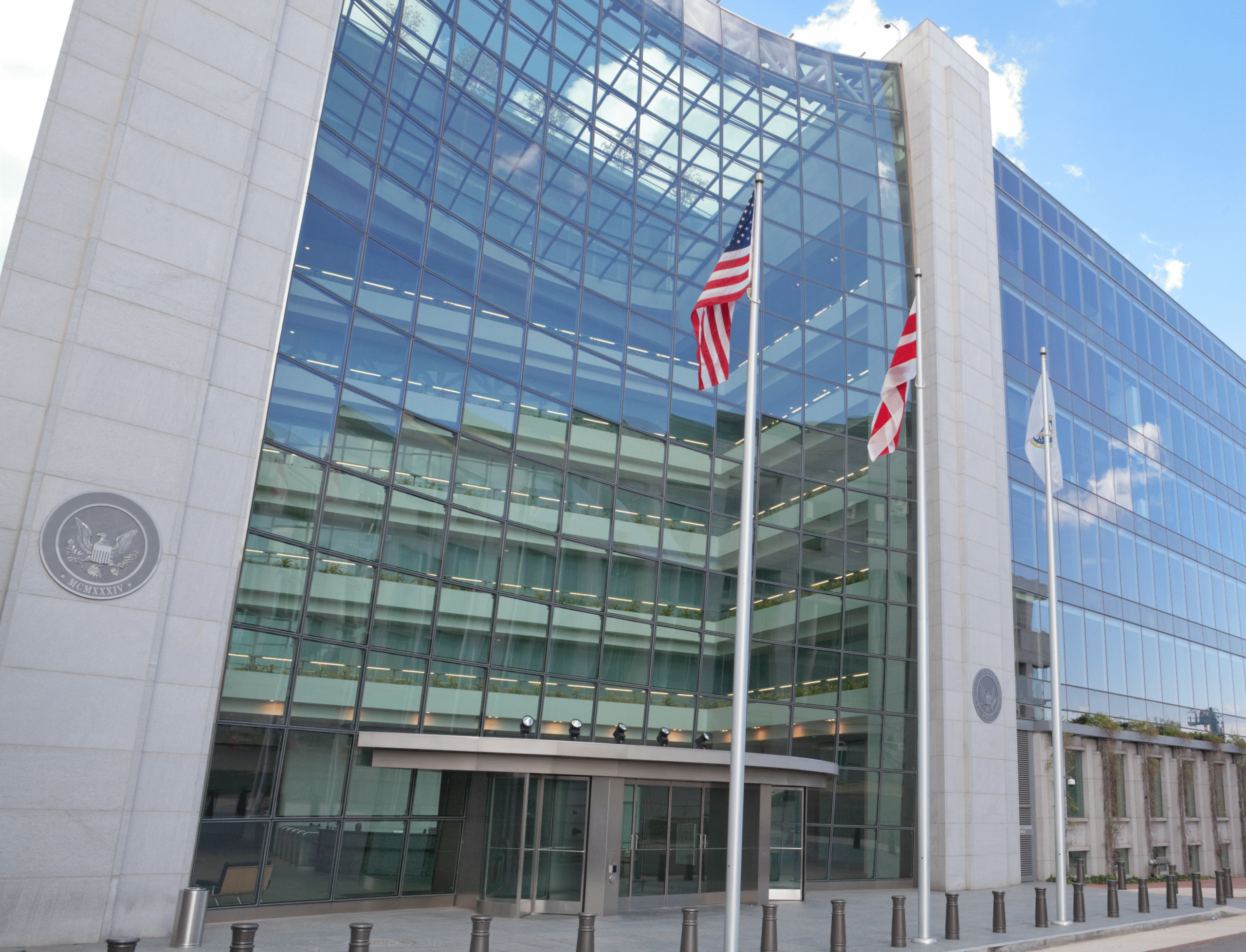
On February 24, 2026, the Securities and Exchange Commission’s Division of Enforcement announced sweeping revisions to its Enforcement Manual (the Manual). A central feature of the revisions is a redesigned Wells process, which gives investigation targets a chance to be heard before the Commission authorizes an enforcement action. Most notably, the revised manual instructs staff to provide Wells notice recipients with “salient, probative evidence” before a response is due, addressing the information imbalance that has traditionally characterized SEC investigations. Then, on May 18, 2026, the SEC announced a second major pro-defendant shift: it rescinded Rule 202.5(e)—the decades-old “no-deny” policy that had required settling defendants to agree not to publicly deny the agency’s allegations as a condition of settlement.
