
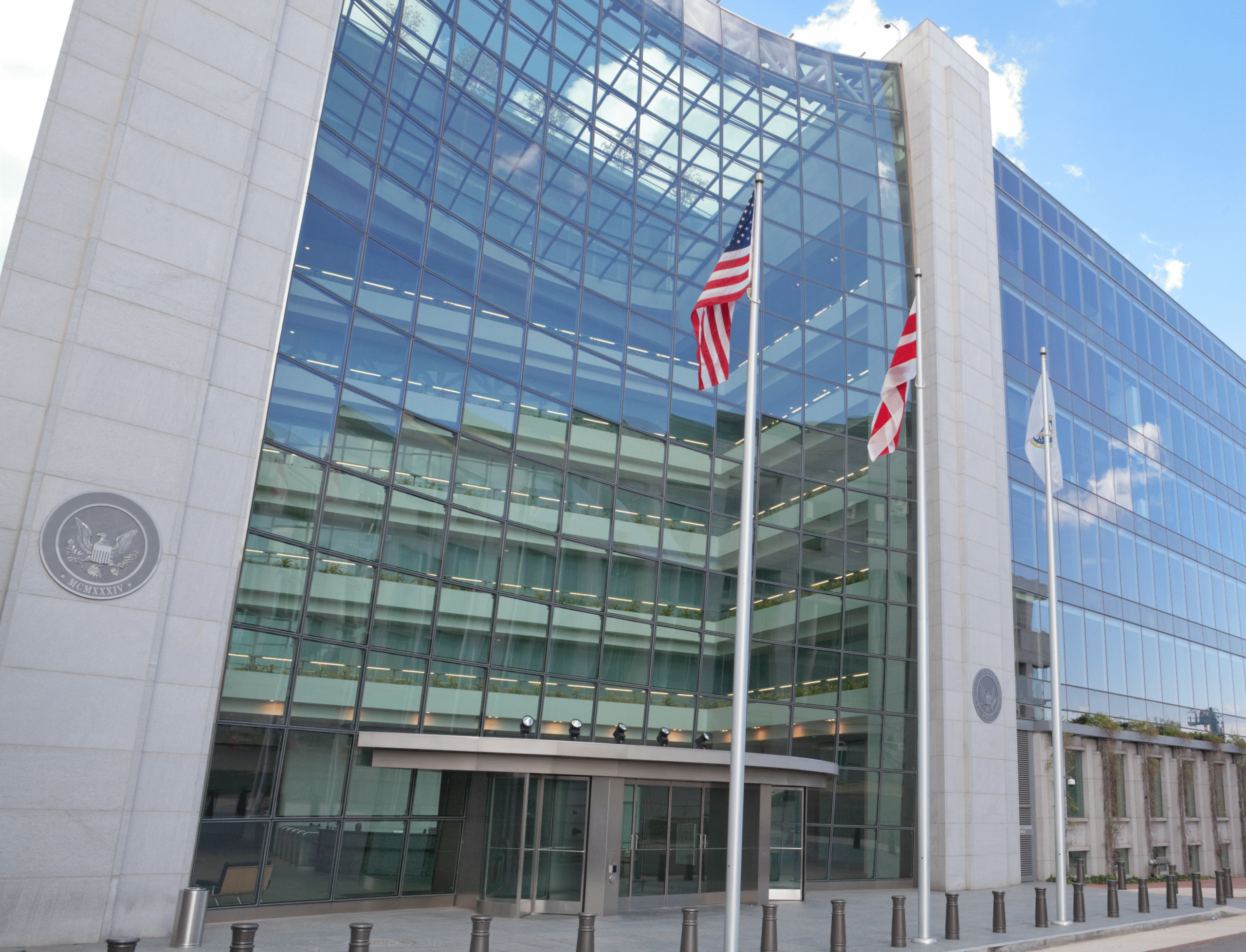
On February 24, 2026, the Securities and Exchange Commission’s Division of Enforcement announced sweeping revisions to its Enforcement Manual (the Manual). A central feature of the revisions is a redesigned Wells process, which gives investigation targets a chance to be heard before the Commission authorizes an enforcement action. Most notably, the revised manual instructs staff to provide Wells notice recipients with “salient, probative evidence” before a response is due, addressing the information imbalance that has traditionally characterized SEC investigations. Then, on May 18, 2026, the SEC announced a second major pro-defendant shift: it rescinded Rule 202.5(e)—the decades-old “no-deny” policy that had required settling defendants to agree not to publicly deny the agency’s allegations as a condition of settlement.
Together, these two actions represent significant recalibration of the SEC’s enforcement posture in more than a generation, expanding defendants’ rights both during investigations and at the settlement stage. The Wells process—named for the advisory committee that first gave defendants a voice—has now been given real teeth. And the repeal of Rule 202.5(e) ensures defendants can use that voice long after a matter closes.
Background of the Wells Process
Under 17 C.F.R. § 202.5(c), persons under investigation may submit a written statement to the Commission, and staff, in its discretion, may advise them of the nature of the investigation and the time available to respond before presenting its recommendation. That advisory communication is the “Wells notice.” It informs the recipient that staff has made a preliminary determination to recommend enforcement action, identifies the proposed charges, and advises the recipient of the right to respond.
Despite that framework, the Wells process has historically been asymmetrical. Wells submissions were frequently prepared with limited insight into which documents staff viewed as most important, what testimony staff believed supported scienter, or how staff planned to establish materiality. The revised Manual is intended to change that in practical ways.
Key Changes to the Wells Process
The most consequential change is the Manual’s new expectation that staff share evidence as part of the Wells process. Under the updated approach, staff should inform the Wells notice recipient of the salient, probative evidence staff has gathered or received. This includes evidence that staff may have or should have reason to believe is not already known to the recipient subject to confidentiality and other constraints on information sharing.
The Chief Counsel for the Division of Enforcement, Mark Cave, discussed these revisions at PLI Institute’s SEC Speaks this spring, explaining that staff are encouraged to provide “salient and probative” documents to Wells notice recipients that they do not already possess. In fraud matters, Cave stated that a recipient who has not obstructed the investigation shouldn’t have to guess where the misrepresentation or omission is.
In addition to the filings, statements, or communications that are allegedly false or misleading, Wells recipients in fraud cases who have not obstructed the investigation should also anticipate disclosure of:
- Falsity and scienter support: Internal emails, texts, board materials, or communications suggesting knowledge or recklessness
- Materiality evidence: Data that demonstrates the significance of the alleged misstatement
- Testimony transcripts/excerpts: Investigative testimony from targets, cooperators, or third parties
It is important to note that the revisions do not provide a right to the full investigative file, and they preserve significant discretion for staff to withhold information based on witness safety, personally identifiable information, trade secrets, or the need to protect an ongoing investigation. One should, therefore, not assume that favorable evidence does not exist merely because it was not provided. Chief Counsel Cave emphasized these limits, noting staff are not undertaking an effort to scour records for everything or anything that may be exculpatory, and that the scope of what is shared will vary on a case-by-case basis.
Additional Changes
- Four-week submission timeline: Wells notice recipients will ordinarily have four weeks to respond, and that deadline can run even if staff has not yet produced evidence.
- Post-Wells meeting with senior leadership: After filing a Wells submission, recipients may request a meeting with staff but will generally be limited to one. The meeting will include senior leadership at the associate director level or above.
- Two levels of approval before Wells notice: Staff must now obtain approval from both an associate director or unit chief and the Office of the Director before issuing a Wells notice or recommending enforcement action without one.
- Rejection of Wells submissions including settlement terms: Staff will now reject any Wells submission that discusses settlement terms, is labeled as subject to Rule 408 of the Federal Rules of Evidence, or purports to limit the Commission’s ability to share files with other government agencies. Settlement offers must be made separately.
Rescission of the No-Deny Policy (The “Gag Rule”)
Since 1972, Rule 202.5(e) has required settling defendants to agree not to publicly deny the allegations in the Commission’s complaint or administrative order as a condition of settlement. Settlements included “no admit/no deny” language: defendants neither admitted nor denied the allegations but were barred from contesting them publicly. On May 18, 2026, the Commission formally rescinded that rule and identified four key reasons for doing so:
- Limited benefits and limited remedy: If a settling defendant later publicly denied the allegations, the Commission’s only recourse was to ask a district court to vacate the settlement (or to reopen an adjudicatory proceeding). There is no known instance of the Commission exercising this option since Rule 202.5(e) was adopted.
- Alignment with other agencies: Eliminating Rule 202.5(e) aligns the Commission with most federal agencies, including the Department of Justice, that do not impose a comparable restriction; the Commission concluded rescission will not harm the public interest.
- Settlement flexibility and efficiency: Rescinding Rule 202.5(e) gives the Commission more flexibility in settling enforcement actions, conserving resources, providing certainty, and potentially speeding the return of money to injured investors. The rule previously precluded the Commission from accepting settlements that lacked a no-deny provision, including settlements with defendants unwilling to waive their rights by signing such a provision.
For parties who settled under the previous rules, the Commission stated that it would not enforce existing no-deny provisions following the rescission of Rule 202.5(e). If a defendant breaches a prior no-deny provision in a consent judgment or administrative order, the Commission will not reopen the settled case.
The rescission does not alter the Commission’s approach to admissions in settlements. The Commission still may settle without requiring defendants to admit allegations but can also choose to seek admissions as part of a settlement.
Effects of the Changes on Defendants
These updates benefit recipients with strong factual and legal defenses. Most importantly, Wells responses can now be built around the evidence the staff is actually relying on. When the staff identifies “salient, probative” documents or testimony, the response can address that material directly, adding context, pointing to related communications, and highlighting contemporaneous conduct that undermines scienter.
The revisions also allow for early and more informed case assessment. The size and substance of what the staff shares at the Wells stage may signal whether the matter is still developing or closer to litigation, and that evidence package can meaningfully inform settlement positioning. Finally, earlier access to cooperating witness accounts, whether full transcripts or excerpts, can reveal who the staff is crediting, what they said, and where their accounts may conflict with other evidence, allowing those issues to be addressed before litigation discovery.
The rescission of Rule 202.5(e) is equally significant on the settlement side. Defendants can now resolve matters without permanently waiving the right to publicly contest the SEC’s claims, allowing them to defend their reputation and speak freely without risking the reopening of their cases. This relief applies to existing settlements as well: those bound by prior no-deny provisions may now publicly deny allegations without fear of further action from the Commission.
Conclusion
After fifty years of asymmetry, the process that first gave defendants a voice has finally been given real teeth, and the rule that took that voice away at settlement has been rescinded. These changes offer new ways for companies and individuals under investigation to respond and access evidence, but also introduce procedural challenges like strict submission windows and mandatory rejection risks. The revised Wells process favors early planning and disciplined advocacy. With the no-deny policy rescinded, defendants settling can now publicly share their perspective, helping safeguard reputation and business interests. Skilled securities enforcement counsel can guide recipients through these updates, maximizing advantages and minimizing costly errors.