

Photo of Abraham Souza

Abraham Souza

A former Assistant U.S. Attorney, Abe helps clients navigate their most pressing and complex legal challenges. Abe divides his current practice between sensitive investigations and high-stakes litigation. He regularly represents clients during both internal and government investigations, as well as government enforcement actions. Abe also represents clients in complex business disputes and commercial litigation matters, including those involving antitrust and class action claims.

The first half of 2026 has confirmed that False Claims Act (FCA) enforcement is not only continuing at historically elevated levels but is expanding in scope, sophistication, and institutional backing. With the Department of Justice (DOJ) reporting more than $6.8 billion in FCA settlements and judgments for fiscal year 2025 (the highest annual total on record) and qui tam filings on pace to set another record in FY 2026, federal fund recipients across various industries face a sustained period of heightened scrutiny. This mid-year update synthesizes the most significant developments and offers practical considerations for navigating the current enforcement landscape.
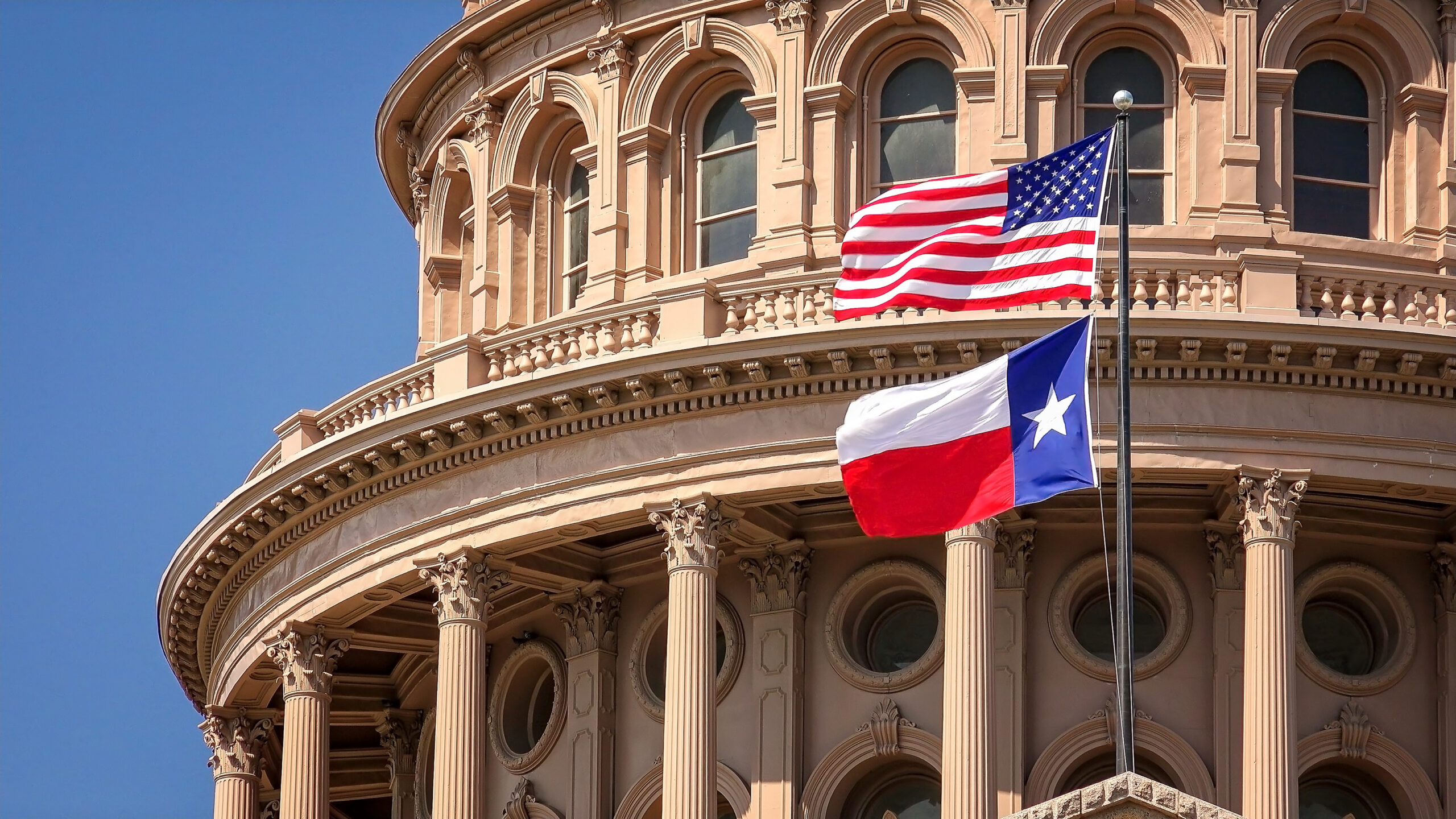
In the last year, Nebraska, Texas, and other states have passed foreign influence laws requiring disclosure of lobbying and other advocacy activities on behalf of foreign actors. Although these so-called “baby FARA” laws are modeled after their federal counterpart, the Foreign Agents Registration Act (FARA), they often lack the exemptions on which businesses and other entities have long relied, and they differ in other important respects as well. These state laws are broad enough to potentially capture transactions with foreign-owned subsidiaries operating in the U.S. that would not otherwise be subject to FARA.

On February 26, 2026, Laura Higbee and I presented the latest edition of Husch Blackwell’s Government Enforcement, Compliance & Investigations webinar series. During Self-Reporting and Cooperation Credit, we discussed recent revisions to DOJ’s Corporate Enforcement and Voluntary Self-Disclosure Policy (CEP), as well as the potential benefits of voluntary self-disclosure, full cooperation, and timely and appropriate

On May 12, 2025, the Department of Justice (DOJ) announced revisions to its Corporate Enforcement and Voluntary Self-Disclosure Policy (CEP). As stated by Matthew Galeotti, head of the DOJ’s Criminal Division, the purpose of the revised CEP is to incentivize companies to “come forward, come clean, reform, and cooperate with the government in efficient investigations