
On April 7, 2026, the Department of Justice (DOJ) announced it is “supercharging” fraud prosecutions through the creation of the National Fraud Enforcement Division (the “Fraud Division”).

On April 7, 2026, the Department of Justice (DOJ) announced it is “supercharging” fraud prosecutions through the creation of the National Fraud Enforcement Division (the “Fraud Division”).

In an opinion issued April 29th in the case United States ex rel. Palmer v. Tata Consulting Servs., Ltd., the Fifth Circuit delivered a clear reminder that the False Claims Act is not an all-purpose enforcement mechanism for regulatory violations or fraud generally.
We just released Episode 41 of the False Claims Act Insights podcast where I discussed the often ignored but critical issue of relators’ attorneys’ fee petitions. Relators often claim millions of dollars of fees at the end of False Claims Act settlements, and some are shocked to learn that federal law requires the party settling
We just released Episode 40 of the False Claims Act Insights podcast, where I discussed best practices for structuring physician compensation arrangements and navigating the complex compliance landscape surrounding healthcare referrals with Husch Blackwell’s Hal Katz.

On December 19, 2025 and January 30, 2026, the United States Sentencing Commission released proposed amendments to the Federal Sentencing Guidelines for 2026. See U.S. Sentencing Comm’n, Proposed 2026 Amendments to the Federal Sentencing Guidelines (Dec. 2025 and Jan. 2026). Taken together, these amendments suggest a meaningful recalibration of how federal sentences may be calculated and, for some defendants, an opportunity for more individualized and potentially less severe outcomes.
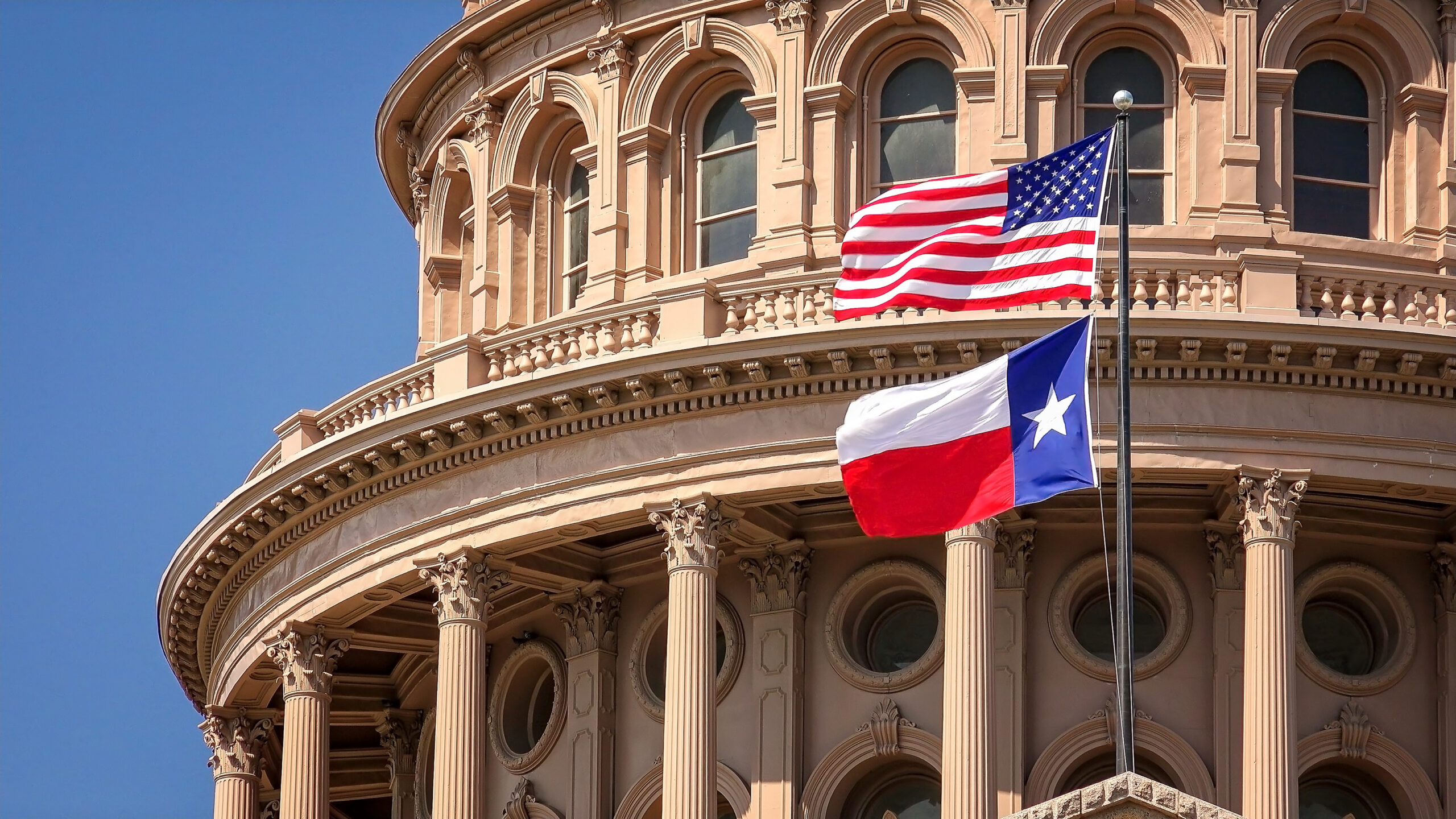
In the last year, Nebraska, Texas, and other states have passed foreign influence laws requiring disclosure of lobbying and other advocacy activities on behalf of foreign actors. Although these so-called “baby FARA” laws are modeled after their federal counterpart, the Foreign Agents Registration Act (FARA), they often lack the exemptions on which businesses and other entities have long relied, and they differ in other important respects as well. These state laws are broad enough to potentially capture transactions with foreign-owned subsidiaries operating in the U.S. that would not otherwise be subject to FARA.

How AI-Powered Attacks, Supply Chain Vulnerabilities, and Regulatory Pressures Are Shaping Cybersecurity Today
In today’s digital-first world, cybersecurity has never been more crucial. Organizations across every industry face a rapidly changing threat landscape, with data breaches growing in frequency and sophistication. Modern attackers leverage advancements in technology, particularly artificial intelligence (AI), to launch innovative campaigns that challenge traditional defenses. At the same time, supply chain vulnerabilities and increased regulatory scrutiny are raising the stakes for organizations.

We just released Episode 39 of the False Claims Act Insights podcast where I discussed recent oral arguments in the Third Circuit appeal of the Janssen Products case with Husch Blackwell’s Abe Souza. Abe explains how the trial of this declined qui tam—in which the Justice Department declined to intervene—led to a split
The Supreme Court recently and unanimously held in Ellingburg v. United States[1] that restitution imposed under the Mandatory Victims Restitution Act of 1996 (MVRA) qualifies as “criminal punishment” subject to the Constitution’s Ex Post Facto Clause. While this narrow ruling only prohibits restitution judgments for convictions that predate the MVRA, Justice Clarence Thomas authored a concurrence advocating for a more expansive view of the Ex Post Facto Clause that reaches nominally civil as well as criminal laws.
On March 10, 2026, the Department of Justice (DOJ) issued a new Corporate Enforcement and Voluntary Self-Disclosure Policy (“CEP”), which now governs all corporate criminal matters handled by DOJ except for antitrust violations. This new policy creates a single set of standards for voluntary self-disclosure, cooperation, and remediation across the Department.