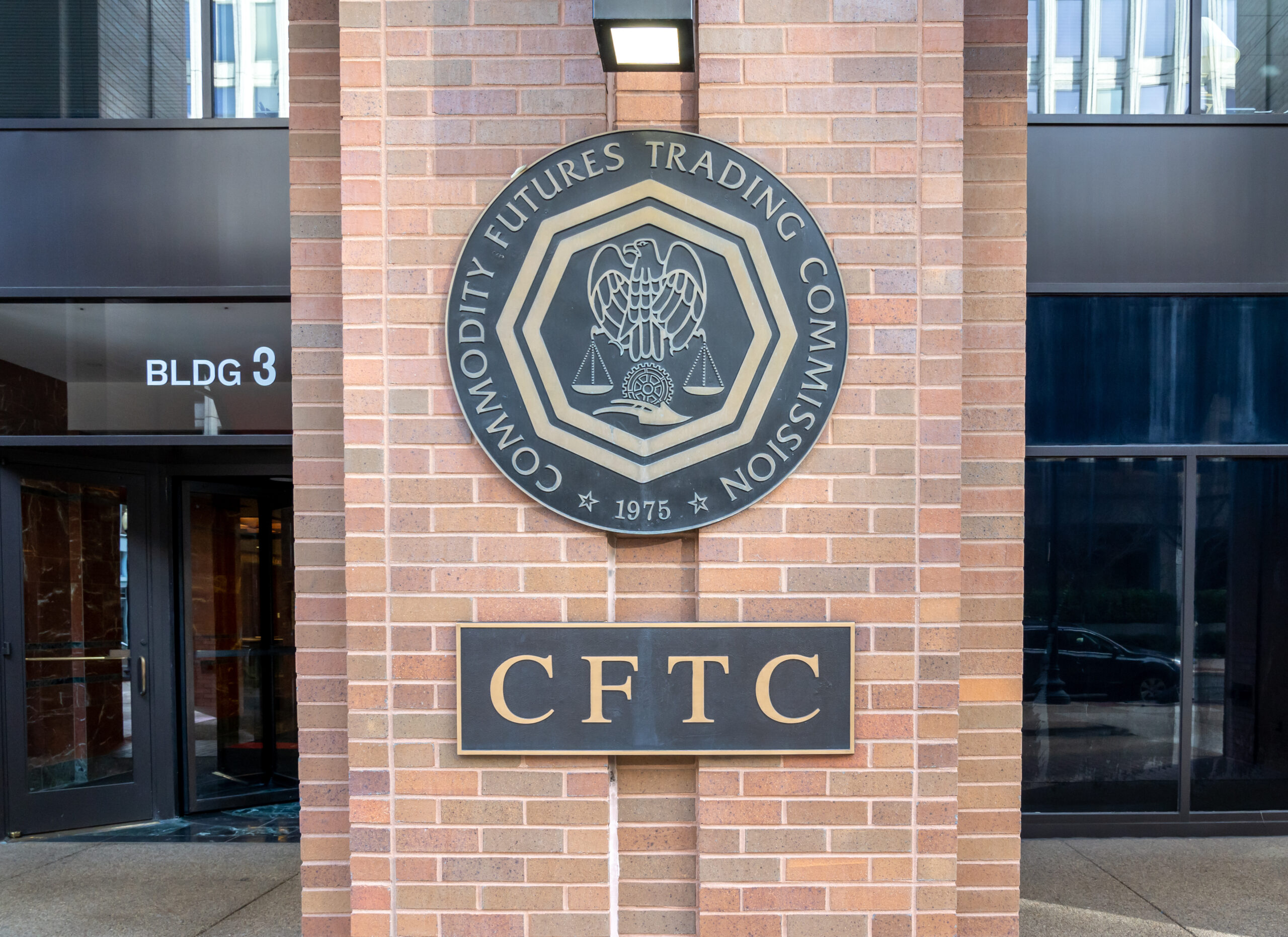
On August 1, Commodity Futures Trading Commission (CFTC) Acting Chairman Caroline D. Pham announced a “crypto sprint” aimed at actualizing recommendations from a recent report published by President Donald Trump’s Working Group on Digital Asset Markets. The initiative serves as Acting Chairman Pham’s first steps toward reshaping digital assets regulation in compliance with the administration’s earlier policy memorandum instructing agencies to pull back on prosecutions in the digital assets space.

Over the course of 2025, the Husch Blackwell Thought Leadership team has closely tracked the Trump administration’s evolving approach to enforcing fraud related to Paycheck Protection Program (PPP) loans. While our companion articles have detailed the latest trends in civil enforcement, including the Department of Justice’s (DOJ) use of the FCA and the role of whistleblowers, this post focuses on the rapidly developing landscape of criminal enforcement. In this article, we analyze recent DOJ charging theories, high-profile prosecutions, and the key risks facing both individuals and entities in the PPP fraud context.

Introduction

The regulatory landscape for cryptocurrencies and digital assets in the United States is undergoing significant changes with developments at the executive, agency, and legislative levels. The presidential administration promised change, guidance, and clarity to promote innovation and dominance in digital asset markets. This post examines the current state of crypto regulation in America, as well as what businesses and investors can expect in the near future.

We’ve just put the wraps on Episode 31 of the False Claims Act Insights podcast where I had a great conversation with longtime healthcare law veterans Brett McNeal and David Traskey covering advisory opinions from the Department of Health and Human Services’ Office of Inspector General. We discuss how the highly qualified and sometimes equivocal

The attorneys with Husch Blackwell’s White Collar, Internal Investigations, & Compliance practice have launched this blog with one abiding goal: to provide readers with a 360-degree perspective on government enforcement. Our team possesses decades of prosecutorial and agency experience, as well as deep knowledge of how to navigate enforcement actions on behalf of clients. In

When companies receive their first 2703(d) order from law enforcement, their response is usually a mix of confusion and terror. In the ever-evolving landscape of digital communications, understanding the legal mechanisms that govern data access is crucial. One such mechanism is the 2703(d) order, a powerful tool that law enforcement is using more and more as digital evidence becomes more robust and complex. This post examines the nature of a 2703(d) order and considers its implications for organizations, privacy officers, compliance professionals, and defense counsel.

A recent Sixth Circuit decision[1] provided clarity on the scope of the attorney-client privilege and work product doctrines, particularly as those rules relate to confidentiality and privacy of corporate records reviewed and analyzed as part of internal investigations. The decision is considered a victory for both the legal and the business worlds because it secured the longstanding and fundamental function of legal privileges that encourage complete and transparent sharing between attorneys and their corporate clients.