
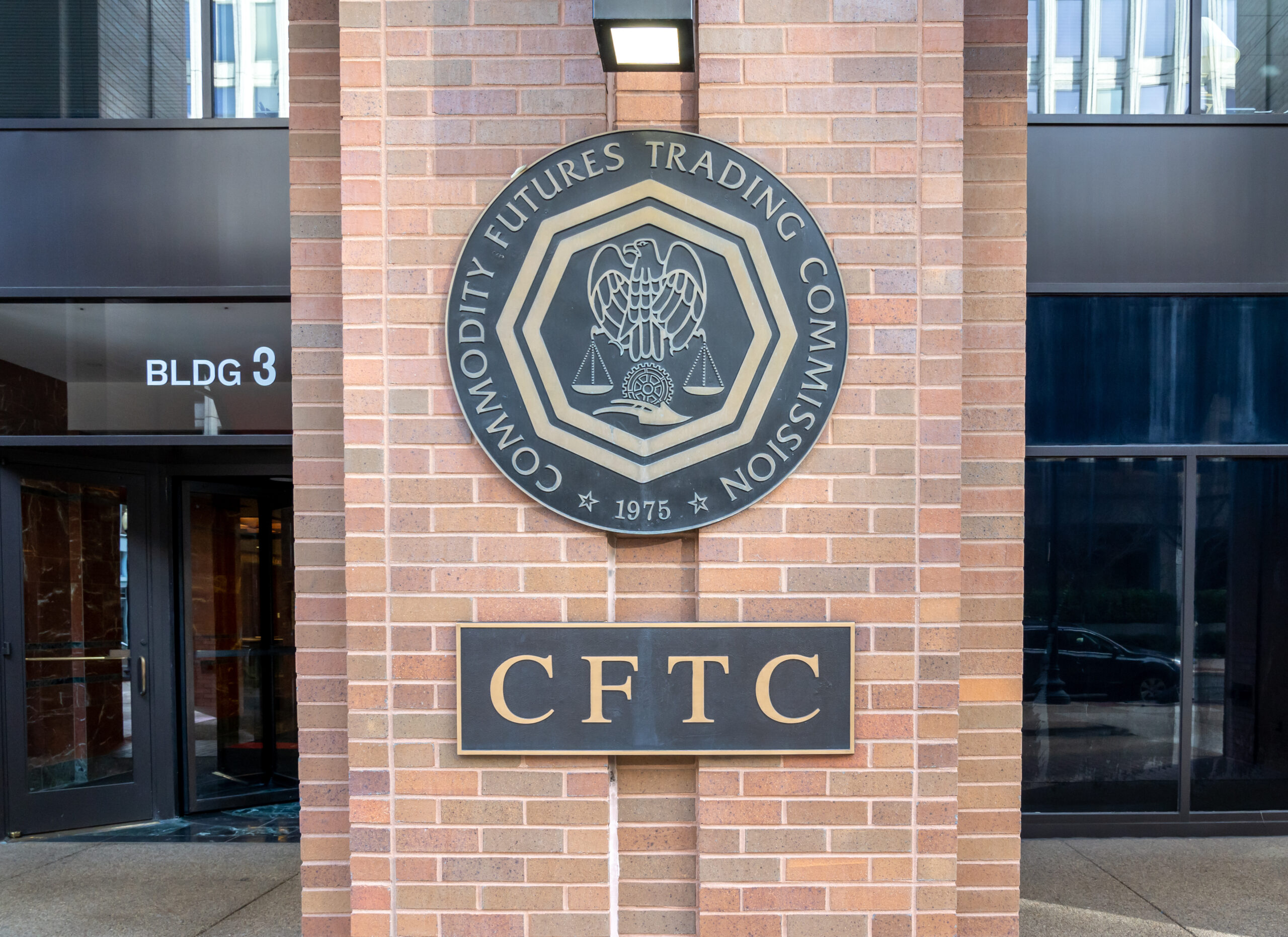
On August 1, Commodity Futures Trading Commission (CFTC) Acting Chairman Caroline D. Pham announced a “crypto sprint” aimed at actualizing recommendations from a recent report published by President Donald Trump’s Working Group on Digital Asset Markets. The initiative serves as Acting Chairman Pham’s first steps toward reshaping digital assets regulation in compliance with the administration’s earlier policy memorandum instructing agencies to pull back on prosecutions in the digital assets space.
Understanding the Crypto Sprint
Chairman Pham’s “crypto sprint” will prioritize implementation of recommendations from the White House’s digital assets report. The chairman explained, “Providing regulatory clarity now and fostering innovation in digital asset markets will deliver on the Administration’s promise to usher in a Golden Age of Crypto.”
The White House’s digital assets report specifically called for the CFTC to be given authority over spot markets for crypto assets classified as commodities, and for the CFTC to collaborate with the Securities and Exchange Commission (SEC) to issue clear regulations for digital assets trading, as well as the registration process for traders. SEC Chairman Paul S. Atkins has already thrown his support behind crypto by announcing “Project Crypto,” an initiative to reform securities rules and regulations to accommodate digital assets.
On August 4, Chairman Pham announced the CFTC’s first practical initiative under the “crypto sprint”: enabling the trading of spot crypto asset contracts that are listed on CFTC-registered futures exchanges (called designated contract markets, or DCMs). Chairman Pham has called for the inclusion of these contracts on DCMs since at least 2022. The change requires the CFTC to issue new regulations clarifying how the spot crypto asset contracts may be listed on DCM under the Commodity Exchange Act, which requires that retail trading of commodities with leverage, margin, or financing occur on those markets.
Chairman Pham invited public input on the initiative, specifically asking stakeholders to opine on whether the measure implicates securities laws and regulations concerning the trading of non-security assets under investment contracts.
The CFTC also recently closed public comment periods on two other crypto market inventions: perpetual derivatives (derivative contracts without expiration dates), and 24/7 or overnight trading. Both of these innovations are now active.
More recently, on August 21, the CFTC solicited public comments on all recommendations made in the White House’s digital asset report. Chairman Pham stated, “The public feedback will assist the CFTC in carefully considering relevant issues for leveraged, margined or financed retail trading on a CFTC-registered exchange as we implement the President’s directive.” The comment period runs until October 20, 2025.
The Future of the CFTC
Since the election, the CFTC under Chairman Pham has shown support for crypto and digital assets in a number of ways, including holding the first-ever Crypto CEO Forum, releasing guidance aimed at clarifying regulations for the industry at large and entrepreneurs in particular, and exploring a digital assets markets pilot program.
The CFTC has also strongly supported the Department of Justice (DOJ) policy against “regulation by prosecution,” which calls for reduced prosecution of regulatory violations in the digital assets space in particular. The overall goal of the policy is to encourage participation in the industry, particularly by those with novel views on commodities and derivatives trading.
The CFTC’s “crypto sprint,” and the White House digital assets report informing the initiative, indicate that the administration intends to achieve its goal of fostering activity and innovation related to crypto and digital assets by prospectively issuing clear rules and regulations and cutting off certain resources previously allocated to enforcement work. This ensures that only willful violation of the law will be prosecuted and digital assets industry players receive consistent guidance on trading and registration rules and regulations.
Implications for Market Participants
The CFTC’s new direction offers both opportunities and responsibilities for digital asset firms. Specifically, the agency’s increased focus on clear, prospective guidance gives market participants a better understanding of acceptable conduct in a previously murky regulatory environment. This reduces legal uncertainty but also raises expectations of proactive compliance.
Market players should also stay up to date on the CFTC’s newest initiatives and announcements. The agency’s recent invitations for public comment on all recommendations made in the White House’s digital assets report and spot crypto trading confirms that the CFTC will rely on the public input when making changes to existing market rules. Firms should seize this opportunity to help shape the digital assets regulatory landscape.
Finally, many questions remain as to how Congress will react to the administration’s push toward modernizing securities and commodities laws, and how the CFTC and SEC will formalize their collaborative oversight of “hybrid” digital assets and crypto products. Husch Blackwell continues to monitor developments in this space.
Contact us
If you have any questions about the CFTC directives, please contact Kip Randall, Sydney Sznajder, Jennifer Cavner, or your Husch Blackwell attorney.