Photo of Kip Randall

Kip Randall

A former Army officer, Kip now helps corporate and individual clients navigate government investigations. Kip counsels clients through investigations by the Securities and Exchange Commission (SEC); Environmental Protection Agency (EPA); Internal Revenue Service (IRS); Department of Justice (DOJ), including allegations of antitrust and False Claims Act violations; and state attorneys general. As a member of the eDiscovery Solutions group, Kip works at the intersection of eDiscovery and Government Investigations.

As two defendants in an alleged cryptocurrency fraud case are finding out, what you search for on the internet could find its way into the courtroom and be used against you. The use of internet search history as evidence in federal criminal cases is relatively new. In this case, prosecutors are seeking to introduce defendants’ post-trade internet searches as evidence of fraudulent intent. Their searches allegedly ranged from “top crypto law firms” and “wire fraud statute” to “can your device be searched without a lawyer” and “crypto theft deductible.”

The critical question: should internet search history be admissible as evidence at trial? The answer is far from simple. Defendants generally have moved to exclude them, and the arguments for and against exclusion highlight the complex interplay between relevance, prejudice, ambiguity, and privilege.

Recent Settlements

On July 31, 2025, the DOJ announced that a California-based defense contractor, and its private equity owner Gallant Capital Partners agreed to pay $1.75 million to resolve allegations that they knowingly failed to comply with cybersecurity requirements in a contract with the Department of the Air Force. The government acknowledged that the companies

On September 23, we launched our Government Enforcement, Compliance & Investigations webinar series, a new monthly webinar program covering Department of Justice criminal enforcement, False Claims Act, antitrust, and state attorney general topics.

In the kickoff webinar, Jody Rudman, Wendy Arends, Matt Diehr, and I joined in a broad discussion on government enforcement. Jody and I

During the first eight months of 2025, our team has paid close attention to the Trump administration’s strategy for civil and criminal enforcement concerning fraud related to Paycheck Protection Program (PPP) loans. In April, Jonathan Porter and Robert Peabody discussed the Department of Justice’s use of the False Claims Act (FCA)—a civil enforcement tool—to enforce potentially criminal COVID-related fraud. In May, Rebecca Furdek, Kyle Gilster, and Emily Loftis explained the framework for ongoing PPP loan audits and investigations, followed in August by a mid-year update regarding enforcement trends and notable cases.

These and other thought leadership pieces address the origination of the PPP loan landscape during COVID-19; the rise of audits, investigations, and enforcement actions through which these and similar loans have been scrutinized; and the basic elements of the civil and criminal enforcement frameworks used to prosecute fraudulent conduct in connection with these loans.

This post explores the federal government’s ongoing efforts to combat PPP-related fraud, focusing on emerging civil enforcement trends and theories of liability under the False Claims Act.

On August 29, 2025, the Department of Justice (DOJ) launched a new Trade Fraud Task Force, which will leverage resources from DOJ’s Civil and Criminal Divisions as well as the Department of Homeland Security (DHS) to enforce tariff and duties evasion, smuggling, and other import violations. The initiative furthers the Trump Administration’s “America First Trade Policy” announced on Inauguration Day and in Executive Order 14243, which promotes information-sharing between agencies to support the administration’s overall goals of combating waste, fraud, and abuse.

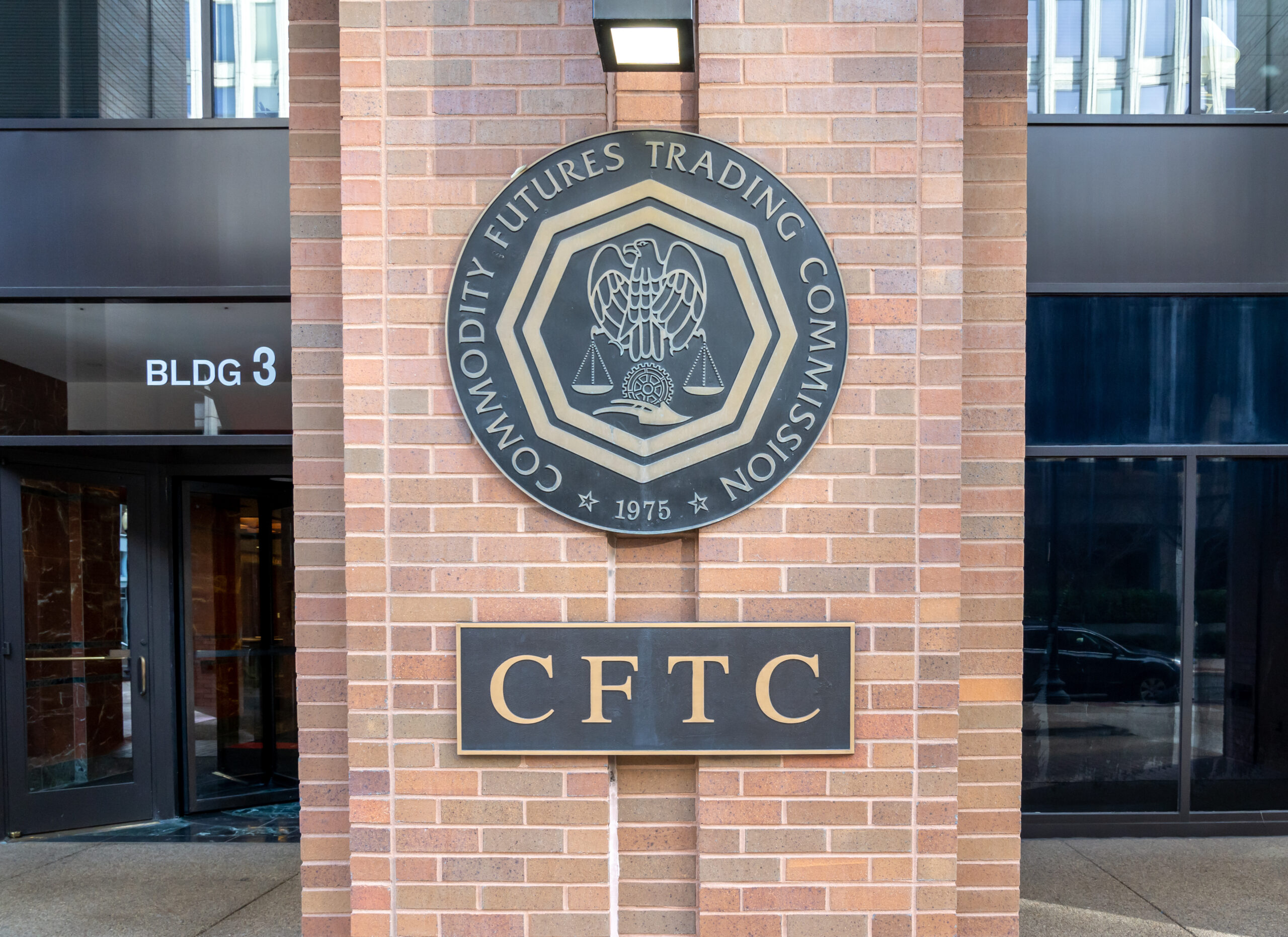
On August 1, Commodity Futures Trading Commission (CFTC) Acting Chairman Caroline D. Pham announced a “crypto sprint” aimed at actualizing recommendations from a recent report published by President Donald Trump’s Working Group on Digital Asset Markets. The initiative serves as Acting Chairman Pham’s first steps toward reshaping digital assets regulation in compliance with the administration’s earlier policy memorandum instructing agencies to pull back on prosecutions in the digital assets space.

Over the course of 2025, the Husch Blackwell Thought Leadership team has closely tracked the Trump administration’s evolving approach to enforcing fraud related to Paycheck Protection Program (PPP) loans. While our companion articles have detailed the latest trends in civil enforcement, including the Department of Justice’s (DOJ) use of the FCA and the role of whistleblowers, this post focuses on the rapidly developing landscape of criminal enforcement. In this article, we analyze recent DOJ charging theories, high-profile prosecutions, and the key risks facing both individuals and entities in the PPP fraud context.

Introduction

The regulatory landscape for cryptocurrencies and digital assets in the United States is undergoing significant changes with developments at the executive, agency, and legislative levels. The presidential administration promised change, guidance, and clarity to promote innovation and dominance in digital asset markets. This post examines the current state of crypto regulation in America, as well as what businesses and investors can expect in the near future.

The attorneys with Husch Blackwell’s White Collar, Internal Investigations, & Compliance practice have launched this blog with one abiding goal: to provide readers with a 360-degree perspective on government enforcement. Our team possesses decades of prosecutorial and agency experience, as well as deep knowledge of how to navigate enforcement actions on behalf of clients. In